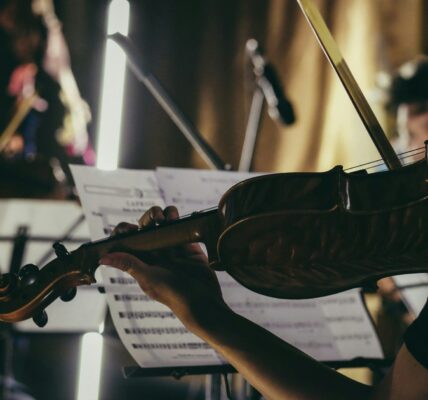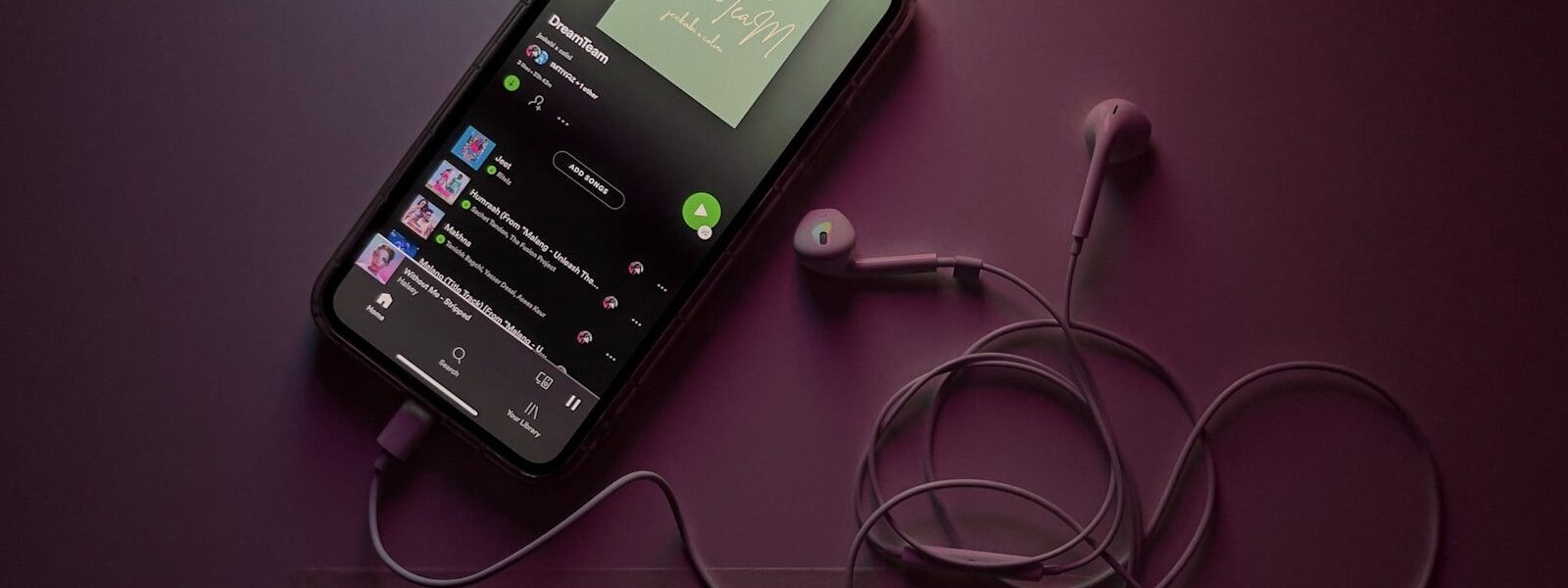

The British pianist Stephen Hough wrote in 2019 that the per-stream rate he earned for his recordings of Schubert and Liszt sonatas, on the dominant streaming platforms, was effectively imperceptible. He was not exaggerating. A Schubert sonata of forty-five minutes, played in full, generates the same single « stream » as a three-minute pop song under most platform algorithms — and the per-stream payout is roughly the same. The mathematical implication is that classical recording, in the streaming-dominated economy of the past decade, has been substantially less economically viable per unit of listener attention than virtually any other major recording category. The picture is changing slowly, partly through the emergence of classical-specific platforms and partly through structural changes in how the major platforms account for long-form content. The honest summary in 2026 is that classical streaming economics remain difficult but are no longer hopeless.
This piece works through how classical streaming royalty actually operates, what the differences are between platforms, where the money goes between rights holders, and what working classical musicians can realistically expect to earn from streaming.
The basic per-stream rate problem
Streaming platforms typically pay royalties from a single revenue pool divided proportionally according to total streams. The simplified version of the math is that if a platform earns 100 million dollars in a month and pays out 70 percent of that as royalties (a typical proportion), and if 10 billion streams happen in that month, the per-stream rate is 0.7 cents (0.007 USD).
The reality is more complex. Different rates apply for premium versus free-tier streams, different territorial agreements affect rates for international listeners, and different rights holders (writer, performer, label, publisher) split the per-stream revenue in different proportions. The aggregate effect, however, is that a typical classical recording earns the artist approximately 0.001 to 0.005 USD per stream after all splits, depending on the platform and the rights holder configuration.
For a moderately successful classical recording — say, 50,000 streams in a year, which is a reasonable result for a serious chamber music release — the artist’s earnings are approximately 50 to 250 USD for the year. This is substantially below what would be required to fund the recording’s production cost, let alone provide income to the performer.
The duration problem
The single most consequential structural issue in classical streaming economics is the platform algorithms’ indifference to track duration. A 45-minute symphony movement, fully played, generates one « stream » for royalty purposes. A 45-minute mainstream pop playlist generates approximately fifteen streams (assuming three-minute tracks). Both attract the same listener attention, but the pop catalogue earns roughly fifteen times more revenue per equivalent unit of listener time.
This algorithmic mismatch has been the most-discussed structural problem in classical streaming economics for nearly a decade. Several proposals have been advanced to address it, including duration-weighted royalty schemes, « user-centric » payment models that direct each subscriber’s fee to the artists they actually listen to, and platform-specific approaches that pay differently for classical content.
The implementation has been incremental and partial. Spotify, the largest platform, has tested various adjustments to long-form content payment but has not implemented duration weighting at scale. SoundCloud implemented a user-centric payment model in 2021 that has produced measurable benefits for niche genres including classical, though SoundCloud’s classical catalogue is much smaller than the major platforms’. Tidal implemented a partial user-centric model in 2022.
The classical-specific platforms
The economic difficulties on mainstream platforms produced opportunities for classical-specific streaming services. Several platforms have built substantial classical-only or classical-focused infrastructure.
Idagio
Idagio, founded in 2015, was the first substantial classical-only streaming service. The platform’s metadata system handles the specific complexities of classical music — work, performer, conductor, ensemble, recording date — much better than the major platforms, where classical recordings often have inconsistent or incomplete metadata. Idagio’s per-stream rates are reported to be substantially higher than mainstream platforms for classical content, though specific figures are not consistently published.
Primephonic and Apple Music Classical
Primephonic, founded in 2014, was acquired by Apple in 2021 and rebuilt as Apple Music Classical, launched in 2023. The integration with the broader Apple Music subscription has substantially expanded classical streaming reach within the Apple ecosystem. Apple’s per-stream rates for classical content through this dedicated app are reported to be higher than the standard Apple Music rates, though the public information on this is limited.
Qobuz
Qobuz, the French high-resolution streaming service, has classical depth and audiophile-quality streaming as core features rather than as supplements. The platform’s classical metadata is generally more sophisticated than the mainstream services, and the per-subscription revenue is higher, supporting somewhat better royalty rates for artists.
Stage+
Stage+, launched by Deutsche Grammophon in 2022, combines streaming with live concert broadcasts and on-demand video content. The model is a subscription bundle rather than a pure streaming service, and the economics for artists are different. Stage+ has been particularly important for major-label classical artists who want to control distribution of their concert content.
Where the money actually goes
Of every dollar a streaming platform earns from classical content, the rough breakdown after typical splits is:
- Platform retains approximately 30 percent for operating costs, infrastructure, marketing
- Approximately 70 percent goes to the rights holder pool
- Of the rights holder pool, approximately 80 percent goes to recording rights (label and performer); approximately 20 percent goes to composition rights (publisher and writer)
- Of the recording rights share, the label typically retains 40 to 80 percent depending on the contract; the performer receives the remainder
The implication for a working classical performer who does not own their own recording masters is that they receive a small fraction (typically less than 15 percent) of the platform’s gross revenue from their content. For performers who control their own recordings (typically through self-released or smaller label arrangements), the share can be substantially higher — sometimes 50 percent or more of the rights holder pool — but the volume is also typically lower.
The performer’s actual income picture
For a working classical performer, streaming income is rarely a primary revenue source. The 2024 survey by the European Federation of Musicians found that the median classical performer in Europe earned less than 500 EUR per year from streaming royalties, with the upper quartile earning up to several thousand. For most working performers, streaming represents perhaps 1 to 5 percent of total music income, well below earnings from concert performance, teaching, and (for those with major label contracts) physical recording sales.
Several factors can substantially shift this picture. Performers with viral or unusually popular content can earn meaningful streaming income (a recording that crosses 1 million streams typically generates several thousand dollars in performer royalties). Performers who control their own recordings and have substantial back catalogues can build cumulative streaming income that becomes meaningful over time. And performers with strong concert careers often find that streaming income, while modest in absolute terms, supports concert demand by making their work discoverable to new audiences.

The composers’ side
For composers, streaming royalty economics differ from performer economics. Composers earn through publishing rights rather than recording rights, and the payment flows go through different organisations: ASCAP, BMI and SESAC in the US; PRS for Music in the UK; SACEM in France; GEMA in Germany; SIAE in Italy.
The effective rates for composers per stream are typically slightly lower than for performers, on a per-stream basis, but composers benefit from each different recording of their work as a separate revenue stream. A composer whose work is recorded by ten different ensembles can earn streaming royalties on all ten recordings, while each performer typically earns only on their own recordings.
For living composers of contemporary classical music, streaming royalties are generally a smaller share of total income than for performers. Commissioning fees, performance royalties for live concert performance, publishing income from sheet music sales, and grants typically dominate the income picture.
What changes the economics
Several developments could meaningfully shift classical streaming economics over the next several years.
The continued growth of classical-specific platforms, particularly Apple Music Classical’s integration with the broader Apple ecosystem, has the potential to channel substantially more revenue to classical content if subscriber numbers grow.
The user-centric payment model, if adopted by major platforms, would direct more of each subscriber’s payment to the artists they actually stream. For classical listeners (who typically have niche listening patterns concentrated in a few favourite performers), this would substantially increase per-stream rates for those performers.
The EU Music Streaming Resolution, adopted by the European Parliament in 2024, calls on platforms to develop equitable royalty arrangements for niche genres including classical. The resolution does not have direct legal force but has been cited by several platforms in announcing classical-specific payment adjustments.
The Performance Rights Act proposals in the United States, which would create a public performance right for sound recordings (as already exists in Europe), would extend the royalty pool for performers whose recordings are played on digital radio services.
The broader economic context
The honest broader picture is that classical music economics have been difficult since the gradual decline of physical recording sales in the early 2000s. The shift to streaming has accelerated rather than reversed this trend, with performer income from recordings declining substantially over two decades. The compensating factor has been the relative resilience of live concert demand, particularly for established performers and ensembles.
The performers who maintain financially viable careers in 2026 typically combine multiple income streams: concert fees, teaching income, recording income (now substantially reduced), occasional commercial work, sometimes academic positions. Streaming is part of this mosaic but rarely the central element. Performers who have attempted to build careers primarily on streaming income have generally found the format inadequate to support the work that recording requires.
What audiences can do
For audiences who want to support classical performers more effectively than streaming alone allows, several options have measurable effects:
- Buy recordings directly from artist websites or Bandcamp, where artists typically receive 80 to 95 percent of revenue versus the 10 to 20 percent share of streaming.
- Subscribe to classical-specific platforms (Idagio, Apple Music Classical, Qobuz) which return more per stream to classical artists.
- Attend live concerts, where ticket revenue flows more directly to performers than recording revenue does.
- Support small classical labels (Alpha Classics, Hyperion, Linn, BIS, Ondine, Chandos) directly through purchase rather than streaming alone.
The full annual income picture for a working classical performer
To make the relative significance of streaming concrete, the income breakdown below describes a representative working classical performer in 2024-25 — a moderately successful chamber musician based in continental Europe with twenty years of professional experience, a small back catalogue of recordings, and a stable performance schedule. The figures are composite drawn from interviews with several similar performers but represent the realistic shape of the income picture rather than any specific individual’s earnings.
- Concert fees: 35,000 to 60,000 EUR annually from 40 to 80 paid concert engagements. The largest single income source for most working performers.
- Teaching income: 15,000 to 30,000 EUR annually, typically through a combination of conservatory or private teaching positions and individual private students.
- Recording fees and royalties: 3,000 to 8,000 EUR annually from physical CD sales, download sales and streaming combined. Streaming alone accounts for perhaps 500 to 2,000 EUR of this total.
- Commission fees and grants: 0 to 8,000 EUR annually. Highly variable; some performers receive substantial commissions, others none.
- Other income: 2,000 to 5,000 EUR annually from masterclasses, jury work, occasional commercial recording work, and similar.
Total annual gross income for this representative performer runs 55,000 to 110,000 EUR before tax, with concert performance accounting for roughly two-thirds of the total. Streaming, despite its cultural prominence, accounts for less than 5 percent of total income. Performers who attempt to build careers primarily around recording and streaming income generally cannot sustain themselves at this level, regardless of recording quality or programming intelligence.
Comparative analysis: classical versus other genres
The classical streaming economics differ substantially from other genres, and the comparison clarifies the structural challenges. Pop music streams in three-to-four-minute units that match the platform’s algorithmic structure, with successful tracks generating millions of streams that produce meaningful per-track revenue. Hip-hop has similar structural advantages plus particularly strong streaming demographics. Country and folk music sit between these and classical in streaming economics.
Jazz shares some of classical’s structural disadvantages — long-form improvisations of 15 to 30 minutes are common, and the listener demographic is older and less heavy-streaming on average. Jazz has, however, benefited from being closer to popular music in track length on most studio recordings, with most jazz tracks running 4 to 8 minutes rather than the 30+ minutes typical of classical movements. Jazz streaming income is correspondingly difficult but somewhat less catastrophic than classical.
The 2024 IFPI Global Music Report data showed average classical streaming royalty rates running roughly 60 percent of pop streaming rates per equivalent unit of listener time, when corrected for track duration differences. The gap is real but smaller than the casual framing of « classical doesn’t work for streaming » suggests. The structural improvements possible through user-centric models, classical-specific platforms and duration-weighted royalties could plausibly close this gap substantially over the next decade.
Misconceptions worth flagging
Several common misconceptions about classical streaming economics deserve correction. The first is that platforms are uniformly hostile to classical content. They are not. The major platforms have invested in classical-specific tools (Apple Music Classical’s standalone app, Spotify’s improved classical metadata, Tidal’s classical curation) that suggest genuine commercial interest in the segment. The economics remain difficult, but the platforms are not actively hostile.
The second misconception is that streaming has destroyed classical recording economics. The decline began before streaming, with physical CD sales falling steadily from approximately 2000 onward as the broader music industry transitioned. Streaming has continued the decline rather than initiating it. The structural shift from physical sales is the primary driver; streaming is the current symptom rather than the original cause.
The third is that classical labels are uniformly exploiting their artists. Several smaller classical labels (Hyperion, Linn, BIS, Alpha Classics, Ondine) operate with relatively favourable artist arrangements and produce work primarily through artistic conviction rather than commercial extraction. The major label tradition is somewhat different, with more standardised contracts that favour the label, but even there the relationship is more complex than simple exploitation framing suggests.
The fourth is that streaming alone determines whether a classical career is viable. It does not. As the income breakdown above shows, streaming is a small share of total income for working performers. Career viability depends primarily on concert performance and teaching, with streaming providing a modest supplement and (more importantly) discoverability that supports the other income streams. Performers who optimise specifically for streaming success at the expense of concert career building typically end up with weaker overall economic positions.
The future of classical recording
The honest assessment of where classical recording is heading depends on the integration of several factors. The streaming-only model has demonstrably been unable to support new classical recording at sustainable levels; physical sales remain a meaningful but shrinking share of revenue; commission and grant funding has held relatively steady but not expanded substantially; private patronage and crowd-funding models have grown but remain modest in aggregate.
The most likely sustainable model for the next decade combines streaming distribution (for discovery and broad reach) with direct artist-to-listener commerce (for substantial revenue), institutional support through commissions and grants (for new work), and continued physical sales for the audiophile and collector market. Several smaller independent labels including the Aeon catalogue, Alpha Classics and the new Pentatone partnerships have built variations on this combined model that appear to be sustainable for serious classical recording.
For performers, the economic implication is that recording remains worthwhile as part of a broader career rather than as a primary income source. The recording supports concert demand, builds repertoire mastery, generates discoverability through streaming, and produces a small but real revenue stream through direct sales. Performers who frame recording in these multi-dimensional terms typically find it economically rational despite the streaming-rate problem.
Further reading
The Wikipedia entry on music streaming provides general background. The International Federation of the Phonographic Industry publishes annual industry reports with revenue and royalty data. The New York Times arts section regularly publishes detailed analyses of streaming economics that include classical-specific reporting. Our archive on production economics is at production musicale, with broader concert and festival material at concerts & festivals, and a separate thread on music economics covering the broader industry context.
This article is for informational purposes; streaming rates and platform terms change continuously, so verify current information with platforms, distributors and rights organisations for any specific business decisions.