
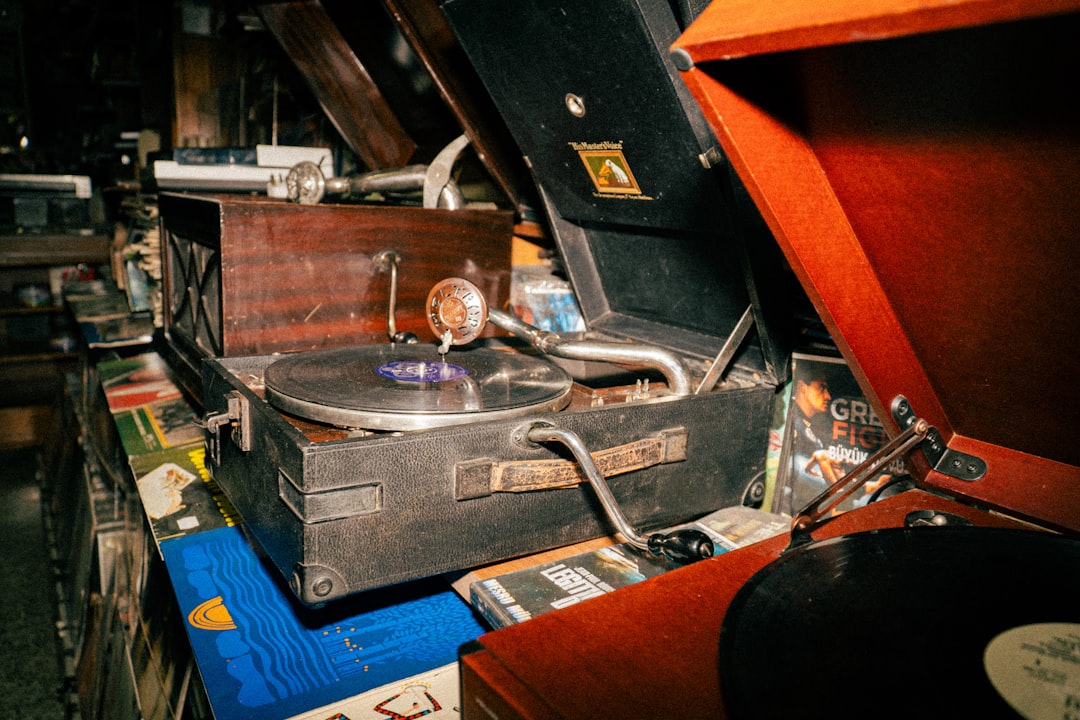
Vinyl records have experienced a remarkable renaissance. Global vinyl sales surpassed $1.2 billion in 2024, marking the 18th consecutive year of growth and outselling CDs for the fourth year running. For newcomers drawn to the warm analog sound, the tactile ritual of placing a needle on a groove, and the large-format album art, building a vinyl record collection can be deeply satisfying but also intimidating. This vinyl record collection guide walks you through every step, from choosing your first turntable to properly storing, cleaning, and grading your records so they sound great for decades to come.
Whether you are a casual music fan who wants a handful of favorite albums in physical form or an aspiring audiophile chasing rare pressings, the fundamentals are the same. Understanding the equipment, the different types of pressings, where to source records, and how to care for them will save you money, protect your investment, and dramatically improve your listening experience.
Setting Up Your Turntable: The Foundation of Great Vinyl Sound
Your turntable is the single most important piece of equipment in your vinyl setup. A well-chosen turntable extracts the maximum musical information from each groove, while a cheap, poorly designed one can actually damage your records over time. The two primary turntable types are belt-drive and direct-drive. Belt-drive models use a rubber belt to spin the platter, which isolates the motor’s vibrations and typically produces a quieter, cleaner sound. Direct-drive turntables connect the motor directly to the platter, offering more consistent speed and greater torque, which is why DJs prefer them.
For a starter audiophile setup, look for a turntable with an adjustable counterweight and anti-skate control, which allow you to set the correct tracking force for your cartridge. Avoid all-in-one « suitcase » record players: they use ceramic cartridges with heavy tracking forces (often above 5 grams) that accelerate groove wear, and their built-in speakers distort the audio beyond recognition.
Turntable and Setup Gear Comparison
| Component | Budget Option | Budget Price | Mid-Range Option | Mid-Range Price |
|---|---|---|---|---|
| Turntable | Audio-Technica AT-LP60X | $149 | Audio-Technica AT-LP120X | $349 |
| Phono Preamp | Built-in (AT-LP60X) | Included | Schiit Mani 2 | $149 |
| Powered Speakers | Edifier R1280T | $99 | Kanto YU4 | $250 |
| Cartridge Upgrade | Stock AT3600L | Included | Ortofon 2M Red | $99 |
| Stylus Brush | AudioQuest Carbon Fiber | $15 | Onzow Zerodust | $38 |
| Record Cleaning Kit | Boundless Audio Kit | $28 | Spin-Clean Record Washer | $80 |
| Total Setup Cost | $291 | $965 |
A crucial but often overlooked component is the phono preamp (also called a phono stage). Vinyl records are mastered with the RIAA equalization curve, which reduces bass and boosts treble during cutting. The phono preamp reverses this curve during playback, restoring the full frequency range. Some turntables and amplifiers include a built-in phono stage, but a dedicated external unit generally delivers cleaner, more detailed sound.
Understanding Pressing Types and Editions
Not all vinyl records are created equal. The pressing type significantly affects both the sound quality and the collectible value of a record. Here is a breakdown of the main categories you will encounter:
- Original pressings: The first run of records manufactured when an album was initially released. These are often the most valuable to collectors and, depending on the mastering, can sound superior to later reissues. An original pressing of a classic album from the 1960s or 1970s can command prices ranging from tens to thousands of dollars.
- Reissues and remastered editions: Later pressings of an album, sometimes using new masters cut from the original analog tapes. Quality varies widely. Reissues from labels like Mobile Fidelity Sound Lab (MoFi), Analogue Productions, and Acoustic Sounds are considered audiophile-grade and often surpass standard reissues in sound quality.
- Colored vinyl and picture discs: Visually striking but often sonically inferior. The dyes used in colored vinyl can introduce surface noise, and picture discs have a thin transparent layer over the printed image that degrades audio fidelity. Collect these for aesthetics, not audiophile performance.
- 180-gram heavyweight vinyl: Thicker and heavier than standard 120-140 gram pressings. The added mass can reduce resonance and warping, but weight alone does not guarantee better sound. The mastering quality matters far more than the gram weight.
Where to Buy Vinyl Records
Building a vinyl record collection is as much about the hunt as it is about the listening. The best sources depend on whether you prioritize price, condition, selection, or the thrill of discovery:
Discogs is the world’s largest online vinyl marketplace, with millions of listings from sellers worldwide. Its comprehensive database lets you identify specific pressings by catalog number, and the community-driven grading system helps you know exactly what condition to expect. For new releases and audiophile reissues, online retailers like Sweetwater and dedicated record shops offer reliable quality with proper shipping packaging.
Local record stores remain an irreplaceable part of the vinyl experience. Flipping through bins, discovering albums you never knew existed, and chatting with knowledgeable staff is half the fun. Record Store Day, held annually in April, features hundreds of exclusive and limited-edition releases that drive foot traffic and community spirit. Thrift stores and estate sales can yield incredible finds at rock-bottom prices, though condition is unpredictable and you need to know how to grade records yourself.
For those interested in the French and European music scene, our article on Le Vinyle Revient en Force : Pourquoi le Son Analogique Seduit une Nouvelle Generation explores why analog sound is captivating a new generation of listeners on both sides of the Atlantic.
The Goldmine Grading System: Knowing What You Are Buying
The standard grading system used by record collectors worldwide was popularized by Goldmine magazine. Understanding these grades is essential when buying used records, especially online where you cannot inspect the disc in person:
| Grade | Abbreviation | Vinyl Condition | Expected Sound Quality | Price Impact |
|---|---|---|---|---|
| Mint | M | Perfect, unplayed, still sealed | Flawless | Full premium |
| Near Mint | NM or M- | Nearly perfect, minimal handling signs | Essentially flawless | 80-95% of M |
| Very Good Plus | VG+ | Light surface marks, minimal wear | Very minor surface noise | 50-70% of M |
| Very Good | VG | Visible groove wear, light scratches | Noticeable surface noise | 25-40% of M |
| Good Plus | G+ | Heavy wear, scratches | Significant noise, plays through | 10-20% of M |
| Good | G | Major wear, may skip | Distracting noise | 5-15% of M |
| Fair / Poor | F / P | Damaged, deep scratches, warps | Barely playable | Minimal |
When buying online, aim for VG+ or better for records you intend to listen to regularly. VG records are acceptable for casual listening or filling gaps in a collection at low cost. Be wary of sellers who grade generously. When in doubt, ask for detailed photos under good lighting to spot surface issues.
Proper Storage: Protecting Your Investment
Vinyl records are remarkably durable when stored correctly and shockingly fragile when they are not. The golden rules of record storage are straightforward but non-negotiable:
- Store vertically, never stacked flat. Horizontal stacking puts weight on the bottom records, causing warping over time that is often irreversible.
- Keep records in inner sleeves. Replace paper inner sleeves with anti-static polyethylene or rice paper sleeves. The stock paper sleeves that come with most records shed fibers that embed in the grooves and cause clicks and pops.
- Use outer sleeves. Clear polypropylene outer sleeves protect the jacket art from shelf wear, ring wear (circular marks from the disc pressing against the cover), and dust.
- Control temperature and humidity. Store records in a climate-controlled environment between 65-70 degrees Fahrenheit (18-21 Celsius) with 45-50 percent relative humidity. Avoid attics, basements, and areas near windows with direct sunlight, which can warp vinyl within hours.
- Do not pack too tightly. Records should stand upright with enough space to slide in and out without friction. Overpacking bows the jackets and can warp the discs.
A dedicated record shelf or cube storage unit (like the IKEA Kallax, a collector favorite) keeps your collection organized and accessible. Alphabetize by artist or sort by genre, whichever system encourages you to browse and play your records regularly.
Cleaning and Maintenance: Keeping Your Records Sounding Their Best
Even new records benefit from cleaning before their first play. The manufacturing process can leave residue in the grooves, and static charge attracts airborne dust particles that cause surface noise. A carbon fiber brush used before every play session removes loose surface dust without scratching. For deeper cleaning, a wet cleaning system like the Spin-Clean Record Washer uses a specially formulated cleaning solution and soft brushes to remove embedded dirt, fingerprints, and mold release compound.
For serious collectors, an ultrasonic record cleaning machine represents the gold standard. These devices use high-frequency sound waves to create microscopic cavitation bubbles in a cleaning solution, which penetrate deep into the grooves and remove contaminants that no brush can reach. Prices range from $300 for basic models to over $4,000 for audiophile-grade units, but a single session can make a neglected VG record sound closer to VG+ or even NM.
Stylus maintenance is equally important. A dirty or worn stylus degrades sound quality and damages records. Clean your stylus with a dedicated stylus brush (always brushing front to back, never side to side) before every listening session. Replace your stylus according to the manufacturer’s recommendation, typically every 500-1,000 hours of play time, to ensure optimal tracking and groove preservation. For more perspectives on the analog audio revival and how it connects to broader musical trends, explore our coverage of Les 10 Albums les Plus Attendus du Printemps.
Starting Smart: Building a Collection with Purpose
The temptation when starting a vinyl record collection is to buy everything that looks interesting. A more rewarding approach is to build with intention. Start with ten to fifteen albums that hold genuine personal significance, records you will reach for again and again. These anchor records define the character of your collection and remind you why you started collecting in the first place.
Set a monthly budget and stick to it. Record collecting can become expensive quickly, especially once you develop an appetite for rare pressings and limited editions on platforms like Reverb. A disciplined approach prevents buyer’s remorse and makes each addition feel meaningful rather than impulsive. Keep a want list on Discogs to track albums you are hunting for, and enable price alerts to catch deals.
Finally, remember that a vinyl collection is meant to be played, not just displayed. The tactile experience of pulling a record from its sleeve, placing it on the turntable, and dropping the needle is the entire point. Let your collection grow organically around the music that moves you, and it will become a physical autobiography of your musical life.
Frequently Asked Questions
Are vinyl records actually better quality than digital?
The answer depends on your definition of « better. » Vinyl records produce an analog waveform that many listeners perceive as warmer and more natural, but they also introduce surface noise, have a limited dynamic range compared to high-resolution digital formats, and are susceptible to physical wear. Technically, lossless digital formats like FLAC or Apple Lossless can reproduce audio with greater precision. The appeal of vinyl is as much about the ritual, aesthetics, and tangibility as it is about pure audio fidelity.
How much should I spend on my first turntable?
Plan to invest at least $150-200 for a turntable that will not damage your records. The Audio-Technica AT-LP60X at $149 is the most commonly recommended entry point. If your budget allows $300-400, models like the AT-LP120X or Fluance RT82 offer significant upgrades in build quality, cartridge options, and long-term durability. Avoid anything marketed as a « portable » or « suitcase » record player.
How do I know if a used record is in good condition before buying?
In person, hold the record under a light source at an angle and look for scratches, scuffs, and groove wear (visible as a grayish discoloration in the grooves). Online, rely on the Goldmine grading system, read seller ratings and feedback, and ask for detailed photos. Reputable sellers on Discogs and specialized record shops grade conservatively and describe any flaws honestly.
Can playing records too often damage them?
With a properly set up turntable (correct tracking force, clean stylus, and good condition), records can be played hundreds of times with negligible wear. Damage comes from excessive tracking force, worn or dirty styli, and improper handling. Always handle records by the edges and label area, never touch the grooved surface, and keep your stylus clean and within its recommended lifespan.
What are the most collectible vinyl records for beginners to look for?
First pressings of classic albums from the 1960s through 1980s hold the most consistent value. Look for original pressings of Pink Floyd’s « The Dark Side of the Moon, » Led Zeppelin’s debut album, Fleetwood Mac’s « Rumours, » and any Beatles UK Parlophone pressings. Japanese pressings from this era are also prized for their meticulous quality control. Start with genres you love rather than chasing investment value.
Disclaimer: This article is intended for informational and educational purposes only. Product recommendations, prices, and availability are approximate and may vary by region and retailer. Serenade Nocturne has no commercial affiliation with any brands, retailers, or marketplaces mentioned in this guide. Record collecting involves subjective assessments of condition and value; always conduct your own research before making purchases.

Laisser un commentaire